
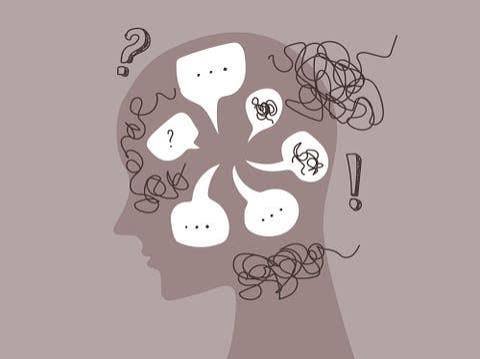
Why You Can’t Think Your Way Out of Stress
Why Mentally Understanding Stress Isn’t Enough—And Why the Body Needs to Be Involved
Have you ever found yourself in the middle of a stressful situation such as a job interview, perfectly aware of why you are reacting the way you do, yet completely unable to stop? Maybe you intellectually know that an upcoming work deadline isn't life-threatening, or that a minor comment from a friend doesn't warrant a racing heart. You might spend hours analyzing your thoughts, journaling, and talking through your feelings, trying to "think" your way out of anxiety.
Yet, your chest remains tight, your shoulders are pinned to your ears, and your mind continues to spin.
Every Breath You Take…is unique!
Breathing. That thing we do all day, every day, mostly without thinking about it. We may assume that it’s just taking place evenly and regularly in the background like clockwork, even when we’re not paying attention. Yet, how we breathe fluctuates from moment to moment, and that has a profound effect on our physiological state throughout the day. A new study from UC San Diego published in the Journal of Neuroscience reveals that natural human breathing is highly idiosyncratic. In other words, we each have our own rhythm and pattern of breathing, and each individual breath tends to be slightly different from moment to moment.

When Relaxation Makes You Anxious: Why Traditional Calming Sometimes Fails and What to Do Instead
Picture this: You have had a long, overstimulating day. You decide to do what every wellness article suggests—you dim the lights, lie flat on your back, close your eyes, and try to focus on your breath.
Within thirty seconds, your heart starts pounding. Your chest feels tight, your thoughts race twice as fast, and a sudden wave of panic or restlessness washes over you. Instead of feeling calm, you feel trapped.

Unwinding: Five Somatic Practices to Decompress After Work
It is 5:30 PM. You close your laptop, log off your workstation, or finish your final task of the day. Theoretically, your workday is over. Yet, as you transition into your evening, your mind continues to race through unanswered emails, your shoulders remain pinned to your ears, and a subtle tightness lingers in your chest.
If this sounds familiar, you are experiencing the physiological lag of stress.
Hot Days, Cool Breaths
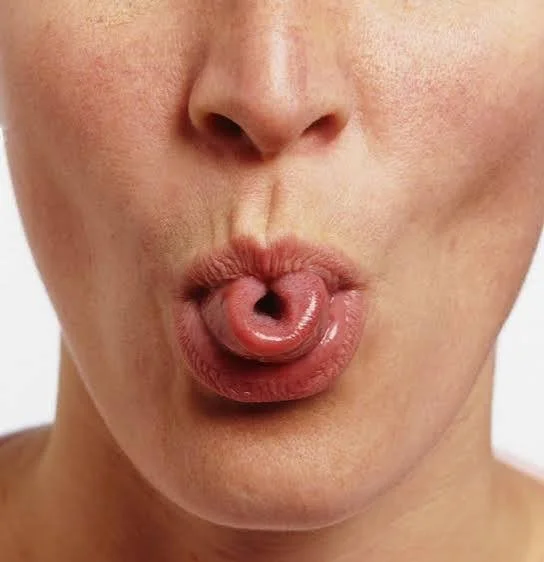
When summer temperatures rise, it can feel like your entire body is working overtime to stay comfortable. Your skin feels hot, your energy drops, and even simple activities can leave you feeling depleted.
While breathwork can't replace hydration, shade, air conditioning, rest, or other important strategies…
The Wanderer: Understanding the Vagus Nerve’s Role in Stress Management
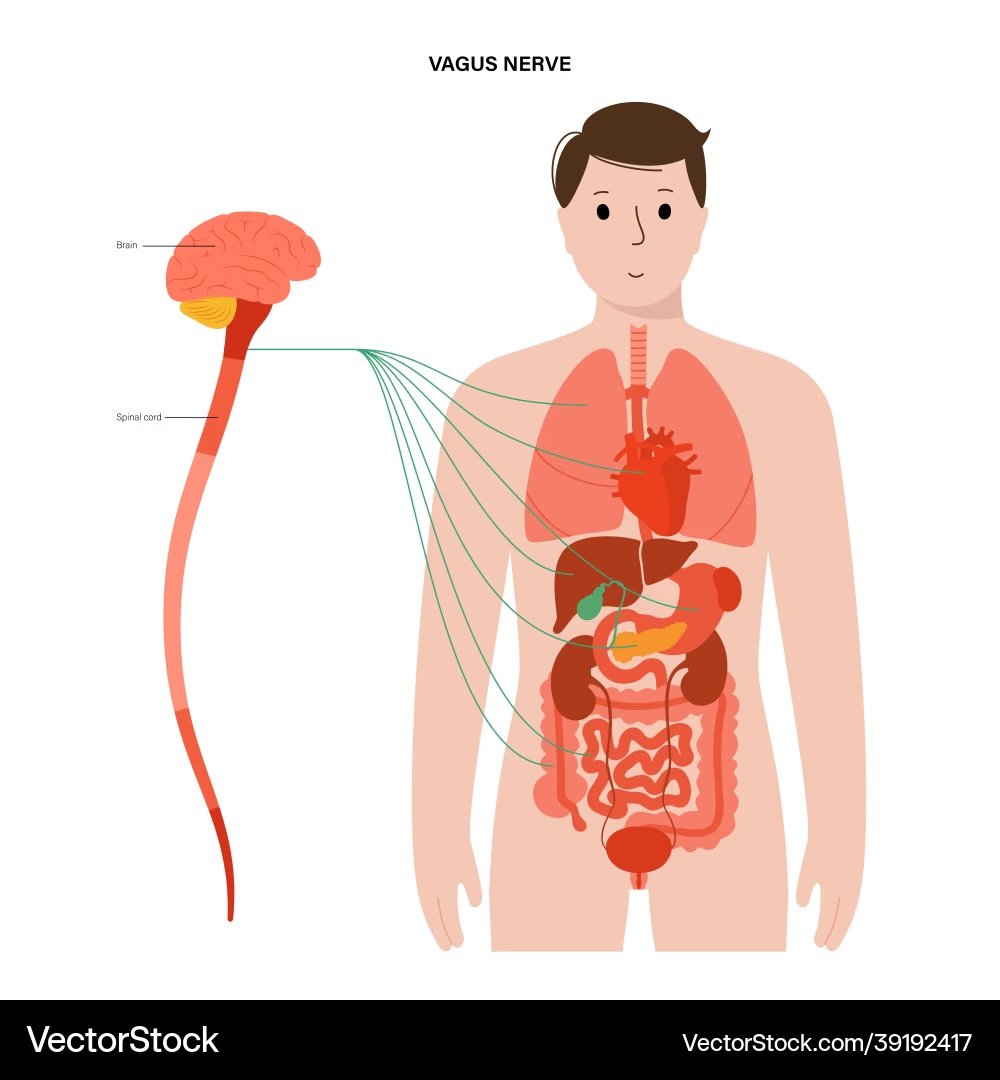
The vagus nerve is one of the most important components of our autonomic nervous system, yet is often overlooked when addressing stress. “Vagus” comes from Latin meaning "wandering". This nerve branches out from the brainstem and extends down through the neck, heart, and abdomen. It plays a critical role in various bodily functions, including heart rate, digestion, and respiratory rate. But its significance goes beyond physiological processes; it also profoundly influences our emotional and psychological states.